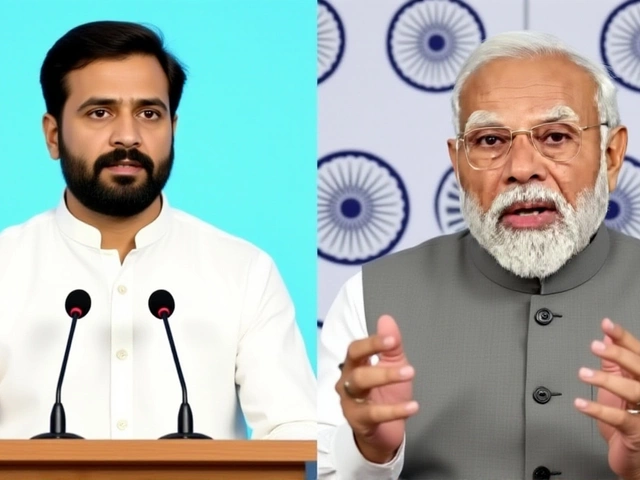
Surat brides cancel destination weddings after PM Modi's fuel appeal
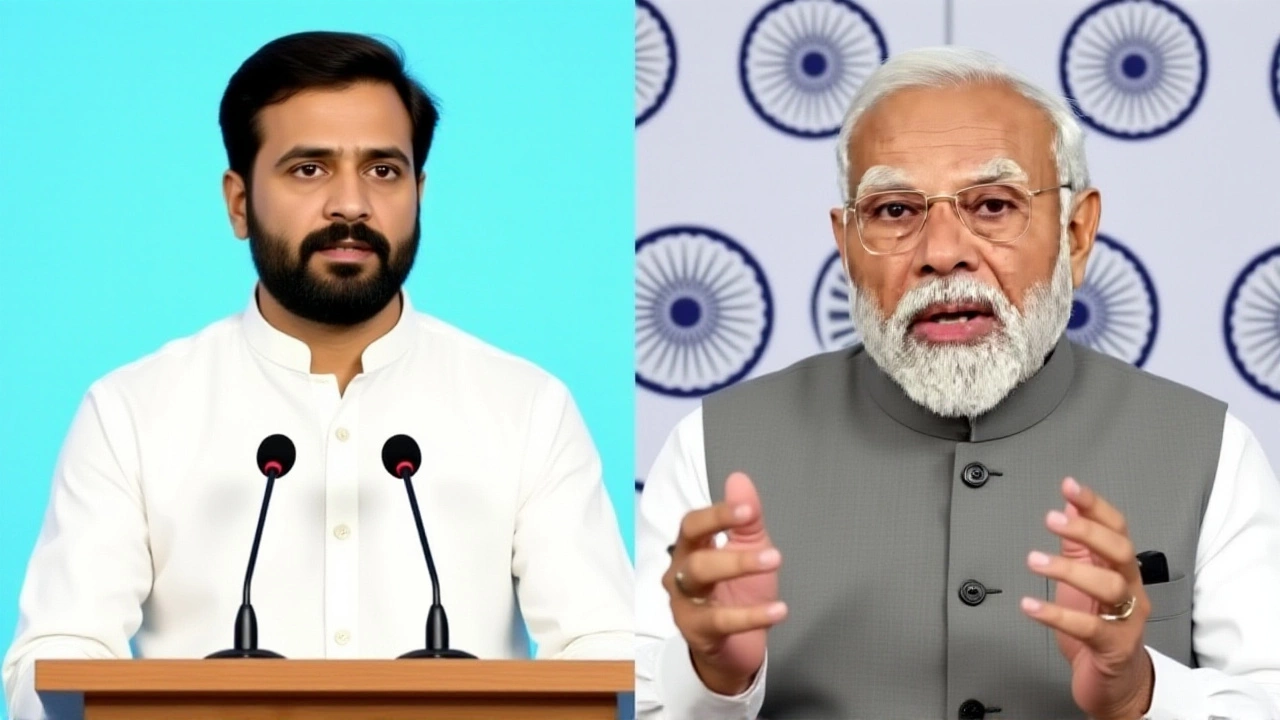
When Narendra Modi, Prime Minister of India, urged citizens to conserve fuel and protect foreign exchange reserves amid global economic pressures, the response came from an unexpected quarter. Women in Surat, a major textile hub in Gujarat, have begun cancelling their planned overseas destination weddings. It’s a striking example of how high-level policy appeals can ripple down into deeply personal life choices.
The shift isn’t just about saving money on petrol. With international travel costs soaring and the rupee fluctuating against major currencies, many families are reconsidering the massive expense of sending guests abroad for celebrations that typically last days. The decision reflects a broader sentiment: patriotism mixed with practical economics.
A Personal Response to National Urges
Here’s the thing: destination weddings in India have become a status symbol, often costing upwards of ₹50 lakh ($60,000) for large families. But when the Prime Minister explicitly links individual consumption habits to national security—specifically regarding foreign exchange reserves—the calculus changes. Reports from ABP Live highlight that women in Surat, traditionally known for their entrepreneurial spirit and community cohesion, are leading this charge.
One bride-to-be, who wished to remain anonymous, explained it simply: "Why spend lakhs on flights and hotels abroad when we can celebrate here? The PM is right; every dollar saved helps the country." This sentiment has spread through local wedding planners and family groups, turning a trend into a movement.
The context matters. In New Delhi, petrol prices hover around ₹94.77 per litre, while diesel sits at ₹87.67. These aren’t abstract numbers—they hit home for families budgeting for long-distance travel, logistics, and energy-intensive events. When you add the cost of international airfare, which has risen sharply due to geopolitical tensions, the financial burden becomes untenable for many middle-class households.
The Bigger Picture: Energy Security
This grassroots reaction aligns with the government’s broader strategy. Under Modi-led Government, India has been pushing hard for energy independence. The launch of the Global Biofuel AllianceNew Delhi was a key milestone, inviting nations to collaborate on reducing fossil fuel dependence. Modi emphasized that India is already witnessing a "solar revolution," with millions of farmers adopting natural farming techniques that reduce chemical and energy inputs.
But it’s not just about biofuels. The administration’s focus extends to domestic welfare schemes that indirectly support energy efficiency. For instance, the Pradhan Mantri Ujjwala Yojana has provided free cooking gas connections to over 10 crore households, mostly benefiting women by replacing wood or kerosene stoves. This reduces indoor pollution and conserves traditional biomass fuels, easing pressure on rural energy resources.
Similarly, the Ayushman Bharat scheme covers over 50 crore Indians, ensuring that health emergencies don’t drain family savings that might otherwise be spent on non-essential luxuries like extravagant weddings. And with Pradhan Mantri Jan-Dhan Yojana opening over 51 crore bank accounts, financial inclusion allows better tracking and management of household expenses, encouraging more disciplined spending.
Economic Realities vs. Social Trends
Turns out, the cancellation of destination weddings isn’t isolated to Surat. Across tier-2 cities in India, wedding planners report a 30% drop in bookings for international venues since early 2024. Instead, couples are opting for grand local ceremonies in heritage havelis or luxury resorts within India. This shift supports domestic tourism and keeps currency circulation within the country—a win-win for the economy.
Experts argue this is a sign of maturing consumer behavior. "People are realizing that showing off wealth through overseas trips doesn’t make sense when the nation faces external vulnerabilities," says Dr. Anjali Mehta, an economist at Jawaharlal Nehru University. "It’s a rational adjustment to inflationary pressures and patriotic duty combined."
Moreover, the environmental angle cannot be ignored. Long-haul flights contribute significantly to carbon emissions. By staying put, these families are inadvertently supporting India’s climate goals, including its commitment to net-zero emissions by 2070.
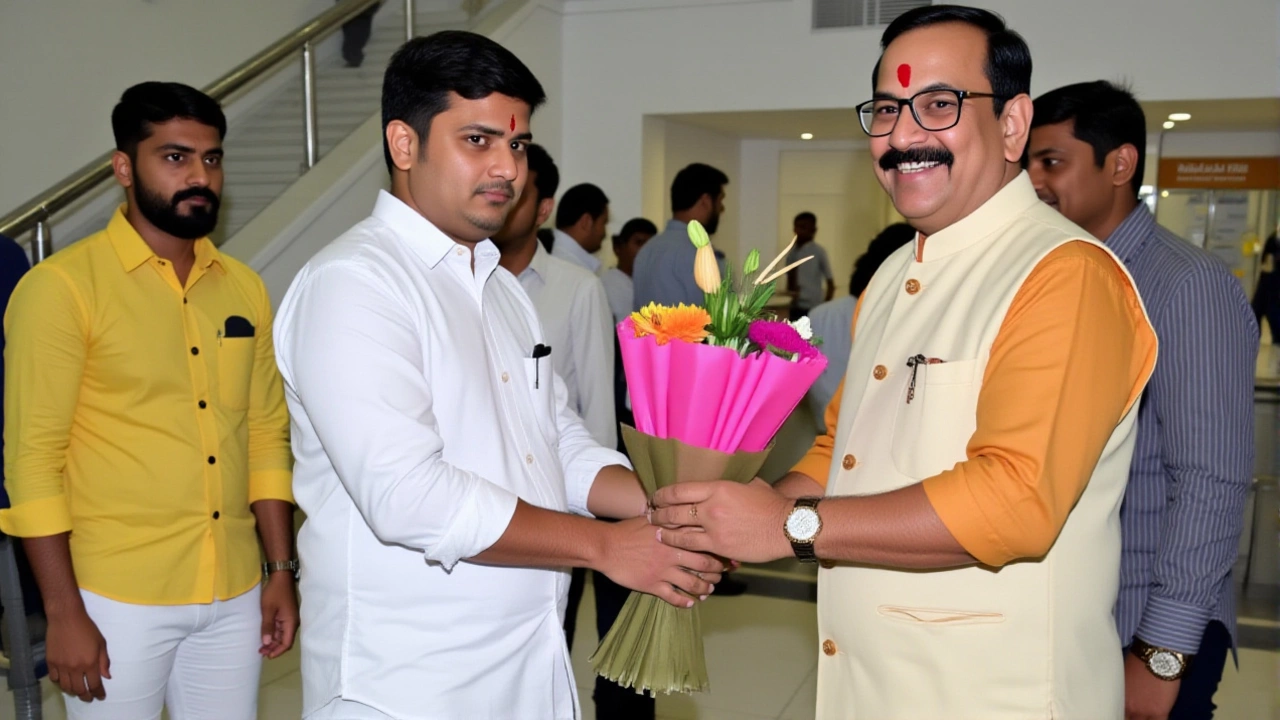
What’s Next for Indian Celebrations?
The trend is likely to accelerate. As fuel prices remain volatile and global instability persists, more Indians will question the necessity of expensive international getaways. Wedding industries are adapting, offering curated "destination-style" experiences within India—from Goa beaches to Rajasthan palaces—that capture the glamour without the forex drain.
Looking ahead, the government may introduce incentives for eco-friendly celebrations, such as tax benefits for weddings that use renewable energy sources or local vendors. This would formalize what is currently a voluntary civic action into structured policy support.
Frequently Asked Questions
Why are women in Surat cancelling destination weddings?
Women in Surat are responding to Prime Minister Narendra Modi’s appeal to conserve fuel and protect foreign exchange reserves. High costs of international travel and rising petrol prices (₹94.77/litre in Delhi) make overseas weddings financially burdensome. Many view staying local as both an economic necessity and a patriotic duty during global economic uncertainty.
How does this relate to India’s energy policy?
This trend supports India’s broader energy security goals, including the Global Biofuel Alliance and solar expansion initiatives. Reducing non-essential international travel lowers demand for aviation fuel and preserves foreign currency, which is critical for importing crude oil. It aligns with government efforts to promote self-reliance and sustainable consumption patterns.
Are other Indian cities seeing similar trends?
Yes, wedding planners across tier-2 cities report a significant decline in international venue bookings. Couples are shifting towards luxury domestic destinations like Goa, Kerala, and Rajasthan. This not only saves foreign exchange but also boosts local tourism and hospitality sectors, creating a positive economic ripple effect within the country.
What role do government schemes play in this change?
Schemes like Pradhan Mantri Ujjwala Yojana (free gas connections) and Ayushman Bharat (health coverage) improve household financial stability, allowing families to prioritize essential needs over lavish spending. Financial inclusion via Jan-Dhan Yojana also encourages better budgeting, making people more conscious of how their spending impacts national resources like foreign exchange reserves.
Will this trend continue in the future?
Likely yes. As long as global fuel prices remain volatile and geopolitical tensions persist, the cost of international travel will stay high. Additionally, growing environmental awareness and patriotic sentiment suggest that domestic celebrations will remain popular. The industry is already adapting by offering high-quality local alternatives that mimic the experience of destination weddings.
- May 26, 2026
- Danilo Freemont
- 0 Comments
- Permalink