NCPCR Review: Child Rights Focus on RTE Grievances, Not School Takeovers
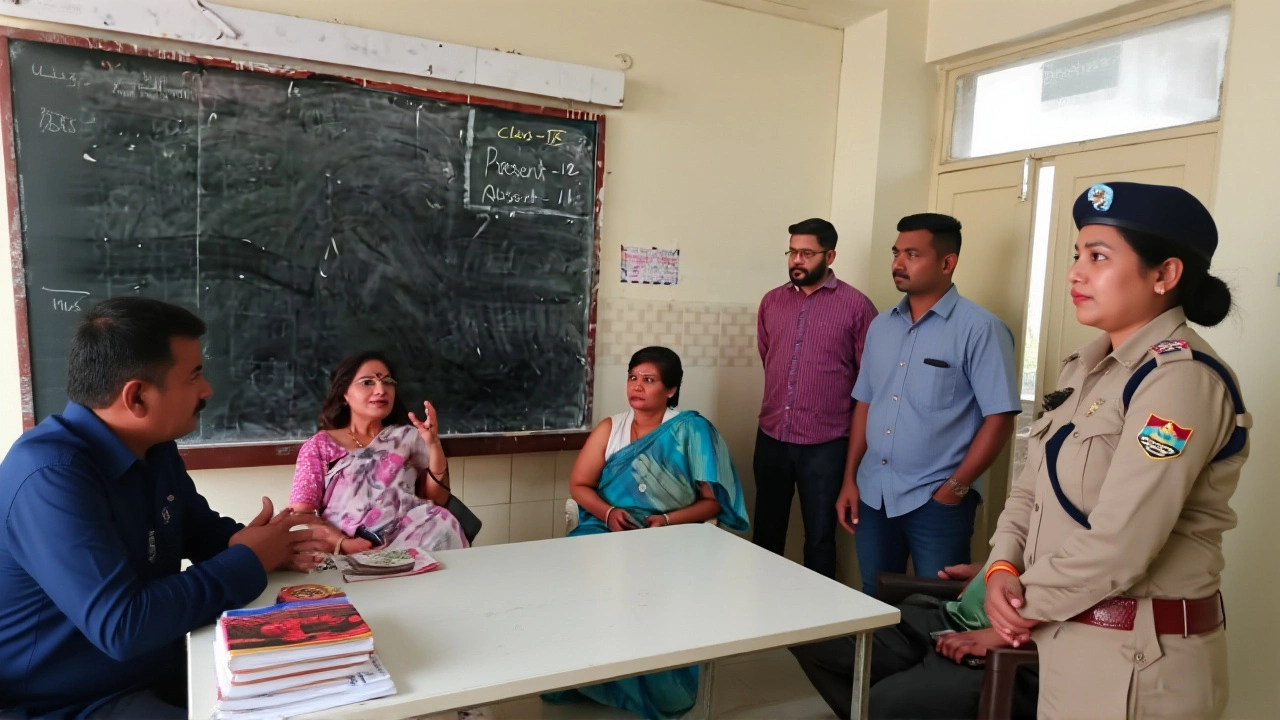
There’s been a lot of noise online about a supposed crackdown by India’s child rights watchdog. Rumors swirled that the National Commission for Protection of Child Rights (NCPCR) had summoned officials from the Defence Research and Development Organisation (DRDO) and the DAV College Managing Committee over alleged irregularities in a school takeover.
Here’s the thing: after digging through official records and major news outlets, those specific claims don’t hold water. No summons were issued to DRDO or DAV management regarding a takeover. The details are simply not there.
So, what actually happened? On a national review-cum-consultation programmeNew Delhi, held on August 5, 2024, at Vigyan Bhawan, the NCPCR focused on something far more systemic: fixing how complaints about children’s education are handled across the country.
The Real Agenda: Fixing the System
Instead of chasing headlines about takeovers, the commission zeroed in on Section 32 of the Right of Children to Free and Compulsory Education Act, 2009 (RTE Act). This section mandates grievance redressal mechanisms in every state and union territory. But as any parent knows, filing a complaint often feels like shouting into the void.
The goal of this one-day session was to plug those leaks. Speakers emphasized that local bodies—specifically Panchayats and municipal corporations—bear the brunt of responsibility under Sections 6 and 9 of the RTE Act. It’s a reminder that education isn’t just a central government issue; it’s a grassroots one.
One key takeaway? Teachers need to be part of the solution, not just bystanders. The discussion highlighted involving educators directly in the grievance process to make it faster and more effective. Think about it: teachers see the problems first-hand. Why wouldn’t they help solve them?
Why the Confusion?
Misinformation travels fast. The rumor mill likely spun out of control because people saw "NCPCR," "Schools," and "Investigation" in the same breath and assumed the worst. But let’s be clear: the press release from the Press Information Bureau makes no mention of DRDO, DAV schools, or any specific institution being targeted for misconduct.
This is a crucial distinction. The NCPCR is a statutory body set up under the Commissions for Protection of Child Rights Act, 2005. Its job is to ensure laws align with child rights principles from the Constitution and the UN Convention on the Rights of the Child. When they act, they usually do so with broad strokes aimed at policy, not isolated scandals unless they’re widely documented.

Putting Children First
A poignant moment during the consultation came when a speaker referenced the United Nations Convention on the Rights of the Child. The point was simple but powerful: children have a right to participate. They shouldn’t just be subjects of policy; they should have a say in their own schooling.
The suggestion? Consult students at least once a year about what they want in their schools. It’s a small step, but it shifts the dynamic from top-down authority to collaborative improvement. As the speaker noted, adults have the rare privilege of shaping young lives. We’d be foolish not to listen to the kids themselves.
What This Means for Parents and Schools
If you’re a parent frustrated by unresponsive school administrations, this development is actually good news. It signals that the regulatory framework is being tightened. The focus on Panchayats means your local council now has a clearer legal mandate to intervene when schools fail to meet standards.
For school managers, whether in private networks like DAV or defense establishments like DRDO, the message is consistent: compliance with RTE guidelines isn’t optional. While no specific entity was named in this particular meeting, the spotlight on grievance mechanisms means scrutiny is increasing everywhere.
Looking Ahead
The next few months will be telling. Will states update their redressal protocols? Will teachers be formally integrated into complaint committees? These are the questions to watch. For now, we can put the rumors about a DRDO-DAV scandal to rest. The real story is about building a system where every child’s voice—and every parent’s concern—is heard.
Frequently Asked Questions
Did the NCPCR summon DRDO or DAV management?
No, there is no verifiable evidence or official record indicating that the National Commission for Protection of Child Rights summoned officials from the Defence Research and Development Organisation or the DAV College Managing Committee. Recent reports linking these entities to a school takeover investigation appear to be misinformation.
What was the actual purpose of the NCPCR meeting on August 5, 2024?
The meeting was a national-level review-cum-consultation programme focused on strengthening grievance redressal mechanisms under Section 32 of the Right of Children to Free and Compulsory Education Act, 2009. It aimed to improve how complaints against educational institutions are handled across India.
How does the RTE Act involve local authorities like Panchayats?
Under Sections 6 and 9 of the RTE Act, Panchayats and local municipal bodies are assigned specific responsibilities for ensuring access to free and compulsory education. They play a critical role in monitoring school standards and addressing grievances at the community level.
Why is student participation important according to the NCPCR?
Referencing the UN Convention on the Rights of the Child, the NCPCR emphasized that children have a right to be heard. Consulting students annually about their school experience helps create a more responsive and child-friendly educational environment.
- May 27, 2026
- Danilo Freemont
- 0 Comments
- Permalink